
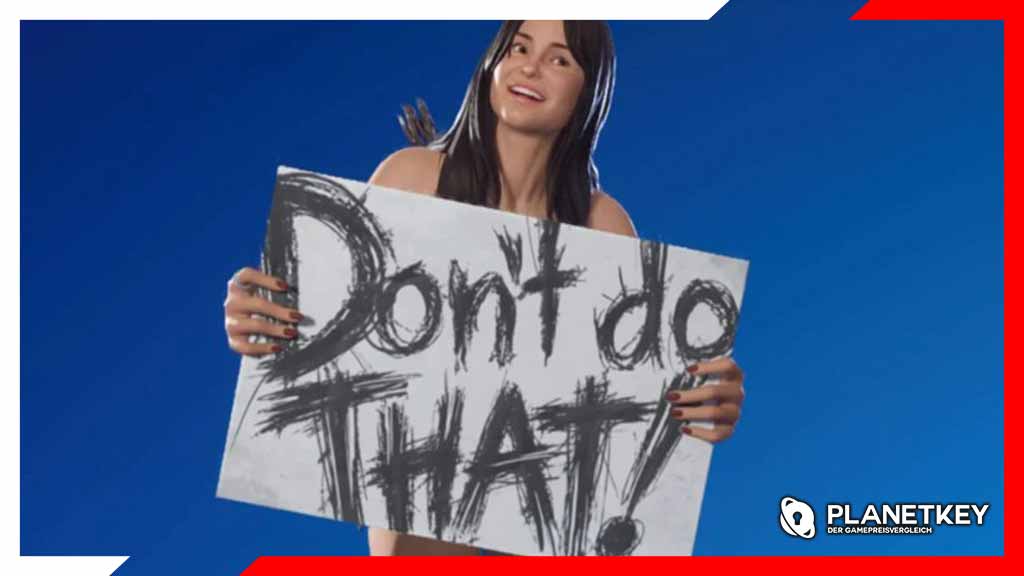
The machinery of the modern battle royale giant Fortnite shows no mercy. Epic Games has perfected the art of absorbing icons of pop culture, digitizing them, and turning them into bite-sized ten-dollar skins for a massive audience. But the latest crossover announcement takes the alienation of art and commerce to a new extreme: Nikki, the tragic title character from the acclaimed horror hit Obsession, is boarding the battle bus.
What initially appears as just another autumnal horror skin for the annual festivities reveals itself on closer inspection as a prime example of the total banalization of cinematic substance through the commercial logic of the gaming industry.
The bitter parable behind "Obsession"
To grasp the perversity of this collaboration, it is worth looking at its origins. Directed by Curry Barker and brilliantly carried by lead actress Inde Navarrette, the indie thriller Obsession became a viral phenomenon in spring 2026. The story follows young musical instrument shopkeeper and aspiring writer Nikki, who becomes the target of her awkward colleague Bear. Frustrated by his lack of access to her, Bear uses a cursed artifact called One Wish Willow and wishes that she would love him "more than anything else in the world."
The wish takes effect with nightmarish consequences: Nikki's entire free will is wiped out. She turns into a puppet controlled by others, trapped in a destructive spiral of blind affection and bloody rage that only Bear's presence can numb. Bear shamelessly exploits this state, repeatedly sleeping with the effectively will-less woman and refuses even to end her suffering when the real Nikki, in a brief moment of clarity, tearfully begs him to kill her. Obsession is no casual slasher but a deeply disturbing allegory of rape culture, domestic violence, and the toxic urge to degrade women into objects without their own personality.
Macabre cosmetics: When abuse becomes an emote
That this very character is now landing in Fortnite to dance alongside colorful mascots and pop stars over defeated opponents is laden with unintended irony: a character whose entire trauma in the film is losing control over her own body is now literally turned into a player-controlled minion at the hands of gamers' controllers.
Particularly insidious are the included cosmetic items that cynically turn key moments of her suffering into gaming gimmicks:
-
Self-harm as texture: In the film, Nikki desperately tries to escape her mental prison through suicide by stabbing herself in the throat with a broken glass bottle. In the game, her character model bears the same wound—sanitized for youth appropriateness by having black slime rather than blood dripping from the cut.
-
The weapon as pickaxe: That very broken glass bottle, the tool of her desperate act, now serves in Fortnite as a harvesting tool with which players gather wood and stone or attack opposing characters.
-
The curse artifact on the back: The wooden weeping willow (One Wish Willow) that robbed Nikki of her humanity in the film functions as a decorative back bling accessory.
-
Scene cards: Accompanying are placards used as emotes quoting the desperate lines Nikki uses in the film to remind her tormentor about the concept of self-determined life.
The end point of all social critique
Nikki's transformation into a playable character is the final act of a cultural distortion that started shortly after the film's release on social media. Nikki’s cries for help were misappropriated into dance trends on TikTok, while superficial comments reduced the work to the cliché of a "crazy ex-girlfriend." Even in amusement parks like Universal Studios, paid performers already appeared as blood-soaked Nikki to scare tourists with film quotes.
The Fortnite debut marks the ultimate collapse of the original message. Where a film sought to denounce toxic possessiveness and the loss of female self-determination, in the end only a marketable shell remains, smoothed for the algorithms of a billion-dollar corporation. For a few V-Bucks, perhaps the most tragic prisoner of modern horror cinema can now perform the victory dance—while the substance of the original is ground to dust in the content mills' machinery once and for all.



Comments
No comments yet. Be the first!
Write a comment
You must be logged in to write a comment.