
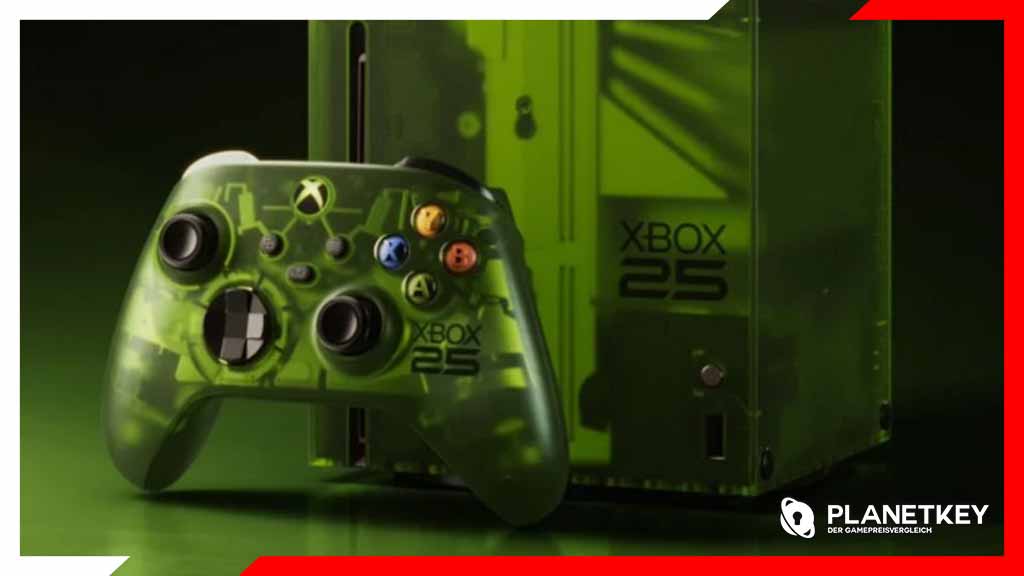
While the leadership of Microsoft and Xbox tirelessly insists that traditional console hardware continues to form the unshakable foundation of their gaming strategy, this promise is hitting an unprecedented economic wall. According to a recent report by Fortune , the next Xbox generation codenamed Project Helix is facing a drastic price explosion: without massive cross-subsidization by the tech giant, the upcoming devices could cost between $1,200 and $1,800 in retail.
The global AI boom is draining hardware resources
Behind the looming price spiral is not an artificial markup, but a genuine crisis in the global component market. Xbox chief Asha Sharma recently described affordability (Affordability) internally as the biggest hurdle for Project Helix.
The reason: The worldwide race for artificial intelligence consumes enormous amounts of fast RAM and high-performance flash memory. While tech giants build huge data centers and fill server racks with hardware, the production capacities available for consumer electronics are shrinking drastically. RAM manufacturers have already indicated that component prices will rise further in 2027 and 2028.
The consequences of this shortage are already noticeable today: Microsoft has been struggling for months to reliably keep existing models of the Xbox Series X and Series S on shelves – despite significant price increases over the past twelve months. Industry competitor Sony is also said to be wrestling with exactly the same cost explosions in planning for the PlayStation 6.
The traditional console business model is on the brink of collapse
The figures reveal a structural dilemma shaking the entire console industry to its core. For decades, the console business followed a fixed pattern, as former Xbox chief Phil Spencer revealed in 2022: hardware was traditionally sold at a loss of $100 to $200 per unit at retail. The platform holders then reliably recouped the losses through a 30 percent cut of third-party sales in the digital store as well as through expensive accessories.
But this calculation no longer holds true for Microsoft ahead of the next generation on two fronts:
-
Drop in the bucket: Even if Microsoft were willing to absorb a $200 loss per console sold as before, a device with production costs of $1,800 remains unaffordable for the mass market.
-
Shrinking buffer due to small hardware base: To refinance billions in hardware losses through store fees, a huge, active player base is needed. While Sony continues to generate hundreds of millions from external blockbusters through the dominant market position of PlayStation, the installed hardware base of the current Xbox generation is stagnating. Fewer consoles in living rooms automatically mean less revenue to cross-finance future luxury hardware.
High-end gaming threatens to become a luxury good
The reports about Project Helix highlight the crucial test facing the industry by the end of the decade. If Microsoft wants to launch the next console generation as planned in 2028, the company must either accept unprecedented losses per unit sold or accept that traditional consoles will no longer be affordable living room devices for everyone but exclusive luxury PCs dressed up as consoles.






Comments
No comments yet. Be the first!
Write a comment
You must be logged in to write a comment.