
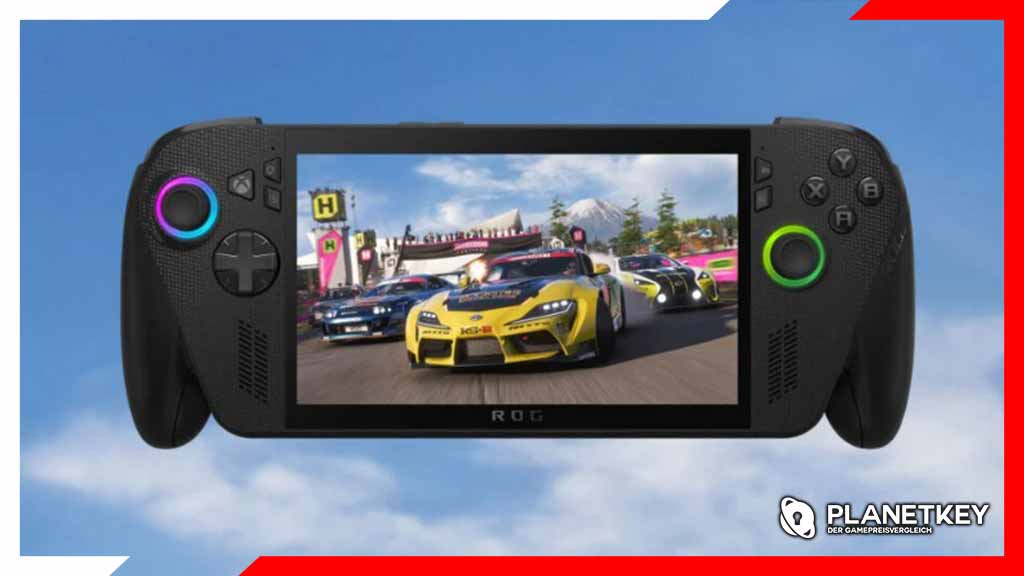
Microsoft is advancing its next generation of hardware but faces significant internal conflicts within its own company. According to a profile in the US business magazine Fortune about Xbox head Asha Sharma, Microsoft plans to launch a next-gen gaming handheld for the 2027 holiday season. Only one year later, in the 2028 holiday season, the next stationary Xbox home console is expected to follow.
As the hardware plans become more concrete, a fierce power struggle is simmering behind the scenes: The Xbox team and the Windows division are vehemently disputing the operating system for the new mobile device.
The operating system dilemma: Gaming focus versus Windows mandate
The planned device is internally considered a conceptual successor to the Asus-produced Xbox Ally X. Its biggest weakness has been and remains the software: The device runs only a slim user interface over a full Windows operating system. This layer proves in practice to be clunky, prone to errors, and noticeably resource-hungry – a world apart from the seamless, responsive operation of systems like Valve's Steam Deck.
This exact point sparked a dramatic dispute between departments:
-
The Windows division's demand: The Windows team pushed to use a modified version of Windows Home as the foundation for the new handheld.
-
The position of the Xbox team: Asha Sharma's developers demand a customized, uncompromisingly game-performance-tuned system software.
-
The escalation: The conflict escalated so much that according to insider reports a senior Xbox executive threatened to scrap the entire handheld project rather than accept the Windows build.
Meanwhile, the gaming division has largely taken the reins for the operating system’s direction. However, Sharma emphasized the necessary cooperation of both parties and made clear: “We cannot build Helix alone.”
“Project Helix” and the looming price explosion
The handheld project is closely tied to the initiative around Project Helix , under which Microsoft is preparing a whole family of new devices. Besides the mobile device, the next stationary console for late 2028 is also planned.
Particularly sensitive are the internal cost calculations cited by Fortune : Without massive subsidies from Microsoft, consoles from the Helix series could cost between 1,200 and 1,800 US dollars . Given ongoing shortages and rapidly rising hardware prices for high-end components, Microsoft faces the challenge of finding a market-viable balance between peak performance and affordability.
A structural problem within Microsoft
The turf war over the operating system reveals an old problem of the Xbox brand within the Redmond corporation: How far can and should the gaming team operate independently without being slowed by the interests of other Microsoft divisions?
If Microsoft wants to launch a mobile flagship in 2027 that can compete against established rivals like Valve and Nintendo, the company must deliver above all: a smooth, high-performance gaming experience that feels like a real console – and not like an office PC crammed into a handheld case.




Comments
No comments yet. Be the first!
Write a comment
You must be logged in to write a comment.